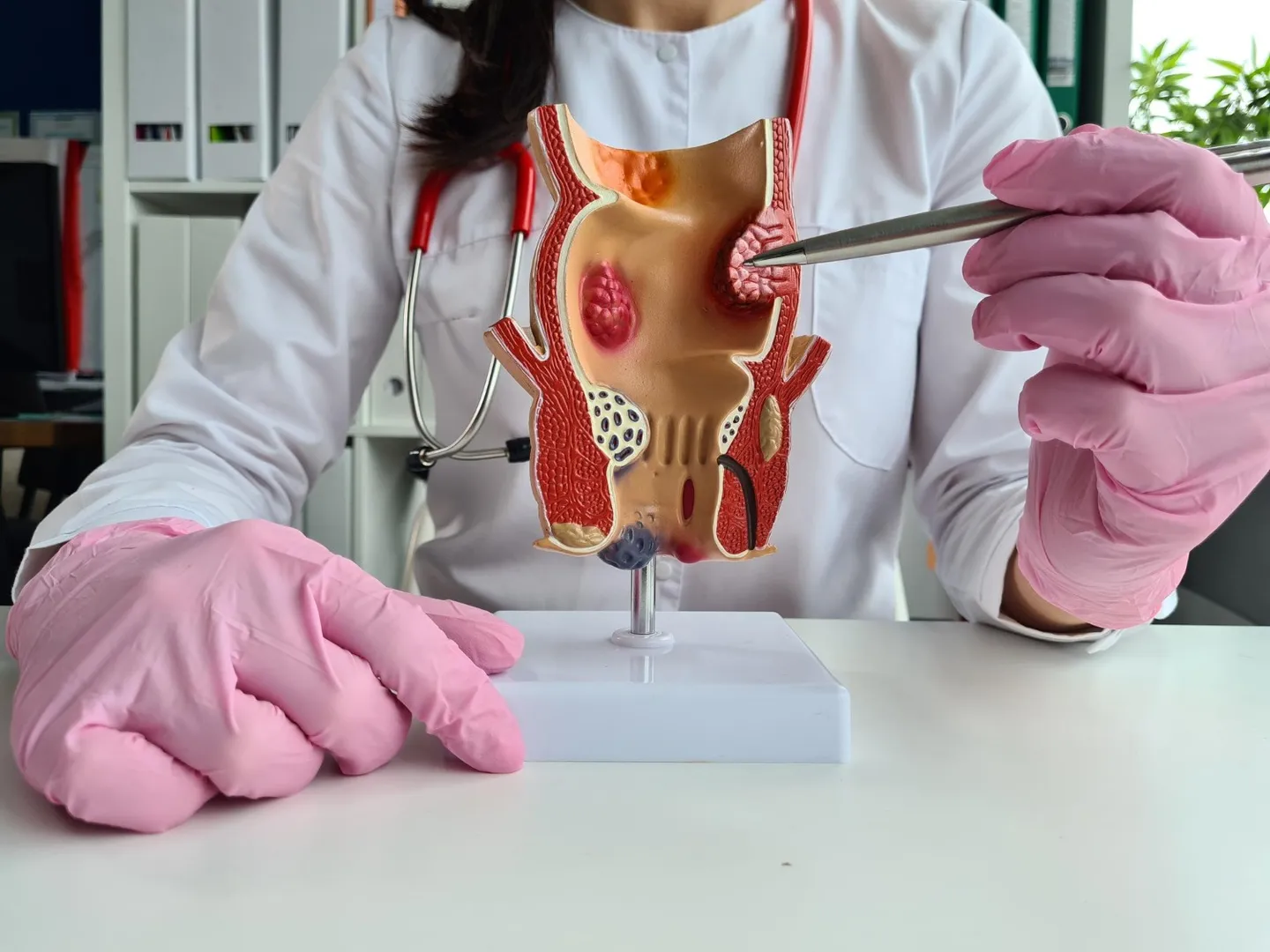
Hemorrhoids, commonly known as piles, are one of the most common anorectal conditions affecting adults. While many cases improve with simple lifestyle changes, others require medical intervention to prevent recurring pain, bleeding, and discomfort. At Dr Manish Dhuris Advanced Laser Surgery, every patient undergoes a detailed assessment to determine the most suitable hemorrhoids treatment based on the severity of the condition rather than a one-size-fits-all approach.
If you have been relying on home remedies without lasting relief, understanding the available treatment options can help you make an informed decision.
What Causes Hemorrhoids?
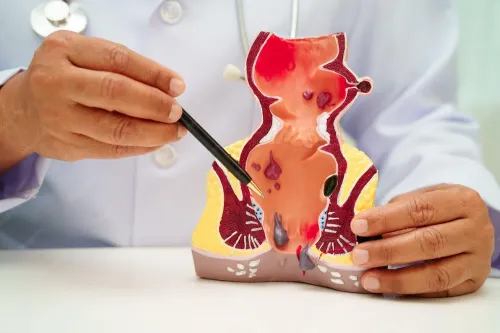
Hemorrhoids develop when the veins around the rectum or anus become swollen due to increased pressure. Several factors can contribute to this condition, including:
- Chronic constipation
- Frequent straining during bowel movements
- Sitting for extended periods
- Pregnancy
- Obesity
- Low-fibre diet
- Aging
Many office workers and professionals in Malad experience prolonged sitting, which can increase the likelihood of developing piles when combined with poor bowel habits.
Treatment Depends on the Stage
The most effective treatment depends on whether the hemorrhoids are mild, moderate, or advanced.
Lifestyle Changes
For early-stage hemorrhoids, doctors usually recommend:
- Increasing fibre intake
- Drinking plenty of water
- Regular walking or light exercise
- Avoiding prolonged sitting
- Maintaining healthy bowel habits
These changes often reduce symptoms and prevent progression.
Medication
Creams, suppositories, and oral medicines may help relieve:
- Swelling
- Itching
- Mild pain
- Inflammation
However, medications generally manage symptoms rather than permanently removing advanced hemorrhoids.
Minimally Invasive Procedures
When conservative treatments fail, procedures such as laser surgery may be advised. These techniques are designed to treat the affected tissue with greater precision while reducing bleeding and supporting quicker recovery.
How Do You Know It's Time to Seek Medical Care?
Consult a specialist if you notice:
- Bright red bleeding during bowel movements
- Persistent pain
- A lump near the anus
- Prolapsed hemorrhoids
- Symptoms returning repeatedly
- Difficulty sitting comfortably
Ignoring these signs can allow the condition to worsen over time.
Preventing Future Problems
Successful treatment should always be combined with preventive habits.
Doctors commonly recommend:
- Eat fibre-rich foods every day.
- Stay well hydrated.
- Exercise regularly.
- Avoid delaying bowel movements.
- Limit prolonged sitting.
- Avoid excessive straining.
These habits help reduce pressure on the rectal veins and lower the risk of recurrence.
Choosing the Right Treatment
There is no single treatment that works for every patient. Mild hemorrhoids may improve without surgery, while advanced cases often require minimally invasive procedures for long-term relief. Patients in Malad benefit from seeking early medical advice, as timely diagnosis allows treatment before complications develop.
Understanding the severity of your condition is the first step toward selecting the most appropriate treatment and returning to daily activities with greater comfort.
Keywords