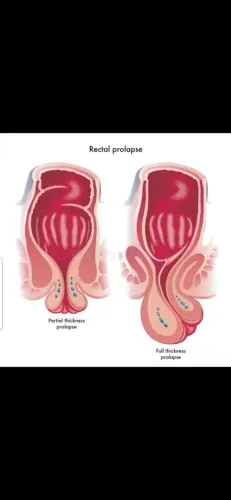
Treatment For Rectal Polyps service image
Treatment For Rectal Polyps

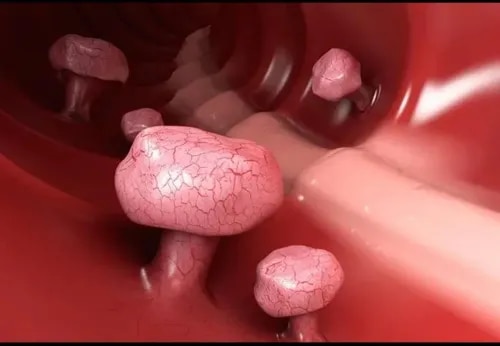
*What are Rectal Polyps?* Rectal polyps are growths on the inner lining of the rectum, which is part of the large intestine. They can be benign (non-cancerous) or precancerous, and some types can develop into colorectal cancer over time. *Types of Rectal Polyps* 1. Adenomatous polyps: These polyps have the potential to become cancerous. 2. Hyperplastic polyps: These polyps are usually benign and small. 3. Serrated polyps: These polyps can be precancerous. *Symptoms* 1. Rectal bleeding or blood in stool 2. Changes in bowel habits 3. Abdominal pain or discomfort 4. Iron deficiency anemia *Treatment Options* 1. Polyp removal: During a colonoscopy, polyps can be removed using various techniques. 2. Surgery: In some cases, surgical removal of the polyp or affected portion of the rectum may be necessary. *What to Expect from a Rectal Polyp Surgeon* 1. Accurate diagnosis: A thorough examination, including colonoscopy, to determine the type and severity of the polyp. 2. Personalized treatment plan: A tailored plan to address the individual's specific needs and condition. 3. Minimally invasive procedures: Techniques to minimize scarring and promote faster healing. 4. Post-operative care: Guidance on recovery, follow-up appointments, and surveillance for future polyps. *Tips for Finding a Qualified Rectal Polyp Surgeon* 1. Check credentials: Ensure the surgeon is board-certified and experienced in treating rectal polyps. 2. Read reviews: Research online reviews and testimonials from previous patients. 3. Ask questions: Discuss treatment options, risks, and expected outcomes with the surgeon. If you have rectal polyps, feel free to consult with me for proper diagnosis and treatment. Regular screenings and follow-up care can help prevent complications and detect any potential issues early.
LASER Treatment Pilonidal Sinus  service image
LASER Treatment Pilonidal Sinus

Here's some content related to pilonidal sinus surgeons: *What is a Pilonidal Sinus?* A pilonidal sinus is a type of skin infection that occurs in the cleft between the buttocks, typically near the tailbone. It's a small tunnel or hole in the skin that can become infected and fill with pus. *Causes and Risk Factors* 1. Hair growth: Ingrown hairs or hair that grows back into the skin can cause pilonidal sinuses. 2. Friction: Prolonged sitting or friction in the affected area can contribute to the development of pilonidal sinuses. 3. Poor hygiene: Not keeping the area clean can increase the risk of infection. *Symptoms* 1. Pain or tenderness in the affected area 2. Swelling or redness 3. Pus or discharge from the sinus 4. Bad odor 5. Fever or chills in severe cases *Treatment Options* 1. Surgical excision: Removing the sinus tract and affected tissue. 2. Incision and drainage: Draining the abscess or infected area. 3. Laser treatment: Using laser to remove hair and debris from the sinus tract. 4. Conservative management: Managing symptoms with antibiotics, pain medication, and good hygiene. *What to Expect from a Pilonidal Sinus Surgeon* 1. Accurate diagnosis: A thorough examination and diagnosis to determine the best course of treatment. 2. Personalized treatment plan: A tailored plan to address the individual's specific needs and condition. 3. Minimally invasive procedures: Techniques to minimize scarring and promote faster healing. 4. Post-operative care: Guidance on wound care, pain management, and follow-up appointments. *Tips for Finding a Qualified Pilonidal Sinus Surgeon* 1. Check credentials: Ensure the surgeon is board-certified and experienced in treating pilonidal sinuses. 2. Read reviews: Research online reviews and testimonials from previous patients. 3. Ask questions: Discuss treatment options, risks, and expected outcomes with the surgeon. If you're experiencing symptoms of a pilonidal sinus, feel free to consult with me for proper diagnosis and treatment.

ANAL Fissure Treatment service image
ANAL Fissure Treatment

*What is a Fissure-in-Ano?* A fissure-in-ano, also known as an anal fissure, is a small tear or cut in the lining of the anus. This can cause pain, bleeding, and discomfort during and after bowel movements. *Causes and Risk Factors* 1. Constipation: Straining during bowel movements can cause fissures. 2. Diarrhea: Frequent or loose stools can irritate the anal lining. 3. Trauma: Injury to the anal area can cause fissures. 4. Inflammatory bowel disease: Conditions like Crohn's disease or ulcerative colitis can increase the risk. *Symptoms* 1. Severe pain during and after bowel movements 2. Bleeding or spotting during bowel movements 3. Itching or irritation around the anus 4. Swelling or inflammation around the fissure *Treatment Options* 1. Conservative management: Managing symptoms with fiber supplements, stool softeners, and topical creams. 2. Medications: Nitroglycerin ointment or calcium channel blockers to relax the anal muscles. 3. Surgery: Lateral internal sphincterotomy (LIS) or fissurectomy to relieve spasms and promote healing. *What to Expect from a Fissure-in-Ano Surgeon* 1. Accurate diagnosis: A thorough examination to determine the cause and severity of the fissure. 2. Personalized treatment plan: A tailored plan to address the individual's specific needs and condition. 3. Minimally invasive procedures: Techniques to minimize scarring and promote faster healing. 4. Post-operative care: Guidance on wound care, pain management, and follow-up appointments. *Tips for Finding a Qualified Fissure-in-Ano Surgeon* 1. Check credentials: Ensure the surgeon is board-certified and experienced in treating anal fissures. 2. Read reviews: Research online reviews and testimonials from previous patients. 3. Ask questions: Discuss treatment options, risks, and expected outcomes with the surgeon. If you're experiencing symptoms of a fissure-in-ano, feel free to consult with me for proper diagnosis and treatment.

Subcategory Tags

Best Fistula Surgery at JogeshwariBest Piles Surgery at DahisarBest Piles Surgery at GoregaonBest Piles Surgery at JogeshwariBest Piles Surgery at Malad WestBest Piles surgeryBest Piles surgery at Andheri EastBest Piles surgery at Andheri westBest fissure Surgery at Andheri EastBest fissure Surgery at Andheri WestBest fissure Surgery at DahisarBest fissure Surgery at GoregaonBest fissure Surgery at JogeshwariBest fissure Surgery at MaladBest fissure Surgery at Malad WestRecto vaginal Fistula Doctor in AndheriRecto vaginal Fistula Treatment in AndheriRecto vaginal Fistula Treatment in Andheri eastRecto vaginal Fistula Treatment in Andheri westRecto vaginal Fistula Treatment in GoregaonRecto vaginal Fistula Treatment in Malad

Contact Us

Live Chat

Connect over WhatsApp to resolve your queries realtime.