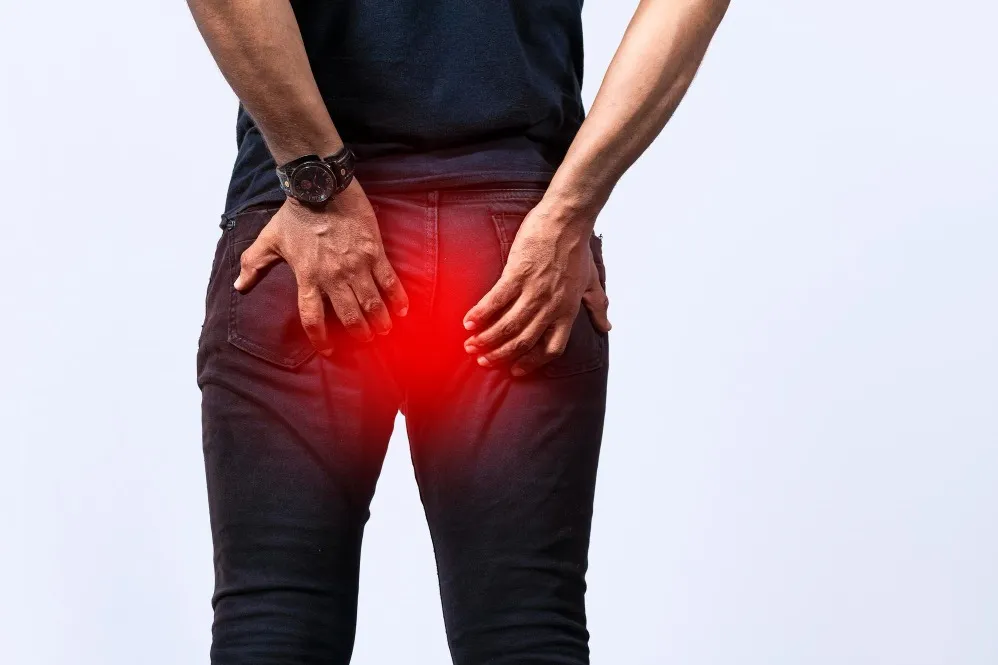
An anal fissure is a small tear in the lining of the anal canal, but the pain it causes can be surprisingly severe. Many people mistake it for piles and continue self-medicating without improvement. Dr Manish Dhuris Advanced Laser Surgery carefully evaluates patients to distinguish fissures from other anorectal conditions so that treatment addresses the actual cause of the symptoms.
Recognising the condition early can help prevent chronic pain and reduce the likelihood of surgery.
What Causes an Anal Fissure?
Most fissures develop because of excessive stretching of the anal canal.
Common causes include:
- Constipation
- Passing hard stools
- Chronic diarrhoea
- Childbirth
- Repeated straining
- Inflammatory bowel conditions
Even a single episode of severe constipation can trigger a painful fissure.
Symptoms That Should Not Be Ignored
Unlike piles, fissures usually cause intense pain during and after bowel movements.
Other common symptoms include:
- Sharp burning pain
- Bright red blood on toilet paper
- Small visible tear near the anus
- Muscle spasm around the anal opening
- Fear of passing stools because of pain
Persistent symptoms lasting several weeks require medical evaluation.
Acute vs Chronic Fissures
Understanding the difference helps determine treatment.
Acute Fissure
- Recent tear
- Responds well to medication
- Usually heals within a few weeks
Chronic Fissure
- Lasts longer than six weeks
- May develop scar tissue
- Often requires advanced treatment
Early diagnosis reduces the chances of a fissure becoming chronic.
Available Treatment Options
Treatment depends on the duration and severity of the condition.
Doctors may recommend:
- High-fibre diet
- Stool softeners
- Warm sitz baths
- Prescription ointments
- Pain-relieving medication
For chronic fissures that do not heal with conservative treatment, minimally invasive surgical procedures may be considered.
Daily Habits That Support Healing
Recovery improves when patients follow healthy bowel habits.
Helpful measures include:
- Drinking enough water
- Eating fruits and vegetables
- Avoiding spicy foods if they worsen symptoms
- Walking regularly
- Avoiding prolonged sitting
- Never delaying bowel movements
These changes reduce pressure during bowel movements and encourage healing.
Why Self-Diagnosis Can Be Misleading
Many people assume rectal bleeding automatically means piles. In reality, fissures, fistulas, infections, and other conditions can produce similar symptoms. A proper examination helps identify the exact cause and ensures the right treatment is started without unnecessary delay.
For people living in Kandivali, early consultation with an experienced specialist can make the difference between simple medical treatment and prolonged discomfort caused by an untreated chronic fissure.
Keywords