Choosing observation or repair depends on the fistula’s size, location, cause, tissue condition and effect on continence. By the end, you will know when a monitored conservative plan is reasonable, which findings point to surgery, and what to ask a Mumbai specialist before agreeing to treatment.
Key takeaways
- Gas or stool from the vagina needs medical assessment.
- Seek urgent care for fever, severe pain, heavy bleeding or worsening illness.
- Imaging and examination help confirm the fistula before treatment.
- Small, uncomplicated fistulas may suit conservative care; persistent ones often need repair.
How to tell a rectovaginal fistula from similar problems
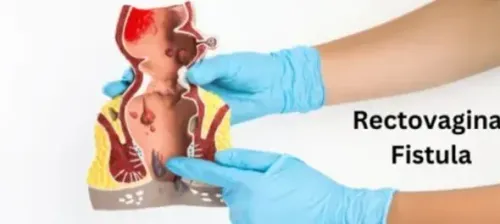
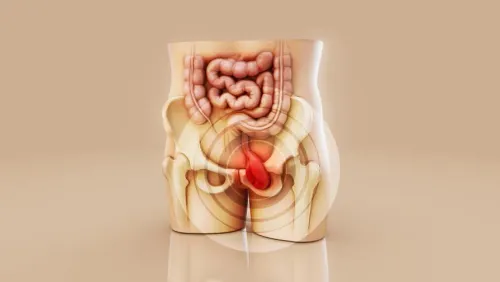
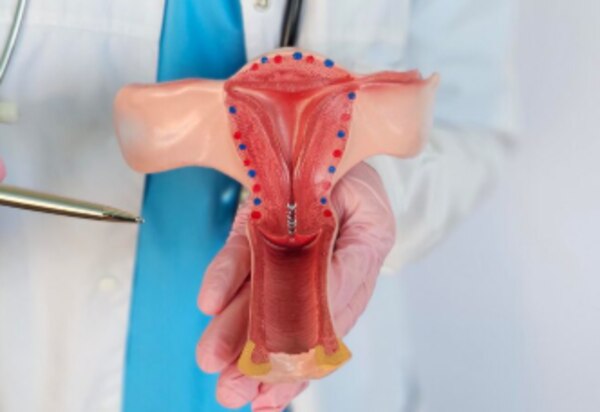
A rectovaginal fistula is an abnormal channel between the rectum and vagina. The strongest clue is gas, mucus or stool coming through the vagina, especially during bowel movements, followed by foul discharge, irritation or repeated vaginal and urinary infections. Symptoms alone cannot confirm a small fistula.
1. Anal fistula: This tunnel usually runs from the anal canal to the skin beside the anus. It causes a tender lump, recurrent abscess or pus draining through an external opening, rather than stool or gas passing through the vagina.
2. Rectocele: A weakened wall between the rectum and vagina bulges into the vagina. You may feel vaginal pressure, a lump or incomplete evacuation and need to press inside or around the vagina to pass stool. A rectocele does not create an opening for faeces or gas.
3. Faecal incontinence: Stool, mucus or staining leaks through the anus because of diarrhoea, nerve problems or anal-sphincter damage. With a fistula, the abnormal exit is the vagina; urgency or incontinence can also occur when both a fistula and sphincter injury are present.
4. Vaginal infection: Bacterial vaginosis, thrush or sexually transmitted infections can cause discharge, odour, itching, burning or soreness. They do not explain definite vaginal passage of stool or flatus. Repeated treatment failure warrants reassessment.
A clinician needs a vaginal and anorectal examination to distinguish these conditions. Persistent discharge, gas or stool through the vagina needs specialist assessment even when no opening is visible.
What causes it, and when does it need urgent assessment?
Childbirth injury is the leading setting for a rectovaginal fistula, especially after a severe obstetric tear, difficult delivery or infected wound. Other causes include Crohn’s disease, previous rectal or vaginal surgery, pelvic radiation, cancer treatment and pelvic infection.
| Finding | What it suggests | Assessment needed |
|---|---|---|
| Small amount of vaginal gas, foul discharge, irritation or recurrent urinary or vaginal infections | Low-output fistula without systemic illness | Arrange prompt colorectal or gynaecological review |
| Increasing pelvic pain, pus-like discharge, new swelling, or fever | Abscess or active infection | Same-day urgent assessment |
| Heavy vaginal or rectal bleeding, inability to pass stool, severe abdominal pain, faintness, confusion, rapid breathing or mottled skin | Obstruction, major bleeding or sepsis | Go to an emergency department immediately |
Do not wait for a routine appointment if fever accompanies worsening pelvic pain or foul discharge. Sepsis can progress quickly, particularly when Crohn’s disease, recent surgery, radiation injury or an immunosuppressive medicine is involved.
Until assessed, avoid inserting creams, probes or vaginal douches, and do not take antibiotics left over from an earlier infection. A clinician needs to identify the tract and check for an abscess; antibiotics alone do not close most fistulas.
If you are seeking rectovaginal fistula treatment in Mumbai, choose a service able to arrange urgent imaging, examination under anaesthesia and treatment for pelvic sepsis when needed.
How specialists confirm the diagnosis before choosing treatment
The diagnosis is confirmed by combining your history with a vaginal and anorectal examination, not by symptoms alone. Tell the specialist about childbirth tears, pelvic or rectal surgery, Crohn’s disease, radiation, cancer, infection, previous repairs, discharge and stool or gas passing through the vagina.
The examination identifies the vaginal and rectal openings, estimates whether the fistula is low or high, checks scarring and looks for pus, tenderness or an abscess. Anoscopy or proctoscopy examines the rectal opening. If pain or muscle spasm prevents a reliable assessment, a colorectal examination under anaesthesia allows closer inspection and probing of the tract.
| Test or examination | What it shows | When it is useful |
|---|---|---|
| Pelvic MRI | The tract’s direction and height, branching, abscesses, inflammation and nearby tissue damage | When the opening or extent is unclear, or the fistula is high or recurrent |
| Endoanal or endorectal ultrasound | Internal and external sphincter tears, muscle gaps and the tract near the anal canal | When childbirth injury or faecal leakage suggests sphincter damage |
| Colonoscopy with biopsy | Crohn’s disease, colitis, tumour or other bowel inflammation | When bowel symptoms, abnormal imaging or unexplained fistula cause raises concern |
| Examination under anaesthesia | The openings, tract, scar tissue and hidden collections | When an awake examination is incomplete or painful |
Your specialist should match the findings across these tests before recommending observation or repair. Treating an abscess, active Crohn’s inflammation or a sphincter defect can change the surgical plan.
When conservative care is reasonable—and when repair is more likely
Observation is reasonable for a very small, low-output fistula after examination excludes an abscess, active inflammation and an ongoing cause such as Crohn’s disease. The plan is active treatment, not indefinite antibiotics: control infection or inflammation, regulate stool consistency, correct nutritional deficiencies, protect irritated skin and record vaginal gas, stool or discharge.
A specialist may review closure at about 4–6 weeks after the acute injury or infection settles. Continue observation only when symptoms are improving and examinations show healing; an opening that persists after several reviews needs a repair discussion.
Searching for rectovaginal fistula surgery or conservative treatment in Mumbai should lead you to a colorectal surgeon who can reassess the tract, not to prolonged self-treatment.
| Finding | Conservative trial | Repair more likely |
|---|---|---|
| Very small, low-output opening | No abscess, severe symptoms or active disease; monitor | Output continues despite treatment |
| Acute childbirth or surgical injury | Observe after inflammation settles | Tract remains open after 4–8 weeks or the injury has matured |
| Recurrent infection, pelvic pain or worsening discharge | Treat the cause and reassess promptly | Ongoing sepsis, abscess or repeated infections |
| Large, high or epithelialised tract | Closure is unlikely; obtain specialist planning | Established tract with persistent stool or gas passage |
| Crohn’s disease, radiation or poor tissue | Treat the underlying disease first | Active or damaged tissue prevents healing |
A mature epithelialised tract, recurrent infection, high output, significant scarring, prior failed repair or uncontrolled Crohn’s disease makes spontaneous closure unlikely. Severe continence symptoms also require sphincter assessment before choosing repair.
Rectovaginal fistula surgery options and choosing a Mumbai team
A repair must match the fistula’s height, size, cause, scarring, tissue quality and sphincter function. Repair is usually delayed until abscess, sepsis and inflammation settle; after childbirth or surgical injury, reconstruction often waits about 3–6 months.
| Option | Best fit | What to know |
|---|---|---|
| Endorectal or transanal advancement flap | Low, accessible fistula with usable tissue | Closes the internal opening without entering the abdomen. |
| Transvaginal repair | Low or mid-level tract approached through the vagina | Useful when vaginal access gives better exposure. |
| Transperineal repair with sphincteroplasty | Low fistula plus sphincter separation or incontinence | Rebuilds the tract and injured muscle in layers. |
| Martius fat-pad interposition | Scarred, recurrent or poorly vascularised local tissue | Places labial fat between the rectum and vagina. |
| Gracilis interposition or abdominal repair | Complex, recurrent or high fistula | Uses muscle, or an abdominal/minimally invasive route, for difficult anatomy. |
Crohn’s disease requires control of rectal inflammation, drainage of abscesses and sometimes biologic treatment before closure. A temporary stoma can protect a repair, but diversion does not repair the tract; reversal requires separate assessment.
When comparing rectovaginal fistula surgery options, do not treat “laser” as proof of reconstruction expertise. Ask a rectovaginal fistula specialist in Mumbai:
- How many rectovaginal repairs do you personally perform each year?
- Which techniques do you use for low and high fistulas?
- What are your recurrence and reoperation figures?
- Who manages a failed repair?
Check access to pelvic MRI, examination under anaesthesia, colorectal and gynaecological collaboration, stoma care and Crohn’s treatment. Dr Manish Dhuris Advanced Laser Surgery should be assessed by these reconstructive capabilities, not its laser label.
Related service
Recto-vaginal Fistula Surgery Treatment For Recto-vaginal Fistula ₹1200 Rectovaginal Fistula Treatment A rectovaginal fistula is an abnormal connection between the rectum and vagina, causing symptoms like fecal... View service → |
Frequently asked questions
How can you tell a rectovaginal fistula from similar problems?
Gas, mucus or stool passing through the vagina, particularly during bowel movements, is a key warning sign. Foul discharge, irritation and recurrent vaginal or urinary infections can also occur, but symptoms alone cannot confirm a small fistula.
What causes a rectovaginal fistula, and when does it need urgent assessment?
Possible causes include childbirth injury, Crohn’s disease, infection, inflammatory disease, surgery, radiation and trauma. Seek urgent assessment for fever, severe or increasing pelvic pain, heavy bleeding, vomiting, spreading redness or signs of sepsis.
How do specialists confirm a rectovaginal fistula before choosing treatment?
Assessment can include a medical history, pelvic and rectal examination, anoscopy or proctoscopy, and tests such as pelvic MRI, endoanal ultrasound or contrast studies. The specialist looks for the tract’s location, size, openings, inflammation and sphincter involvement.
When is conservative care reasonable for a rectovaginal fistula?
Conservative care can be considered when the fistula is small, symptoms are limited, infection is controlled and the underlying cause is being treated. Persistent stool leakage, recurrent infection, a larger tract or failed healing makes repair more likely.
What rectovaginal fistula surgery options are available in Mumbai?
Options depend on the fistula’s position, cause, tissue quality and previous operations. Procedures can include local or transvaginal repair, transperineal repair, advancement-flap repair, tissue interposition and staged treatment when infection or complex disease is present.
Keywords