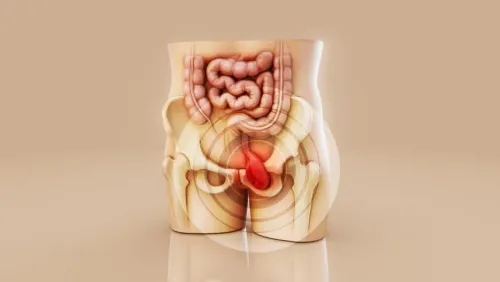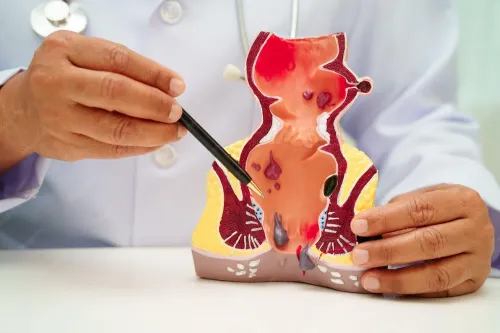
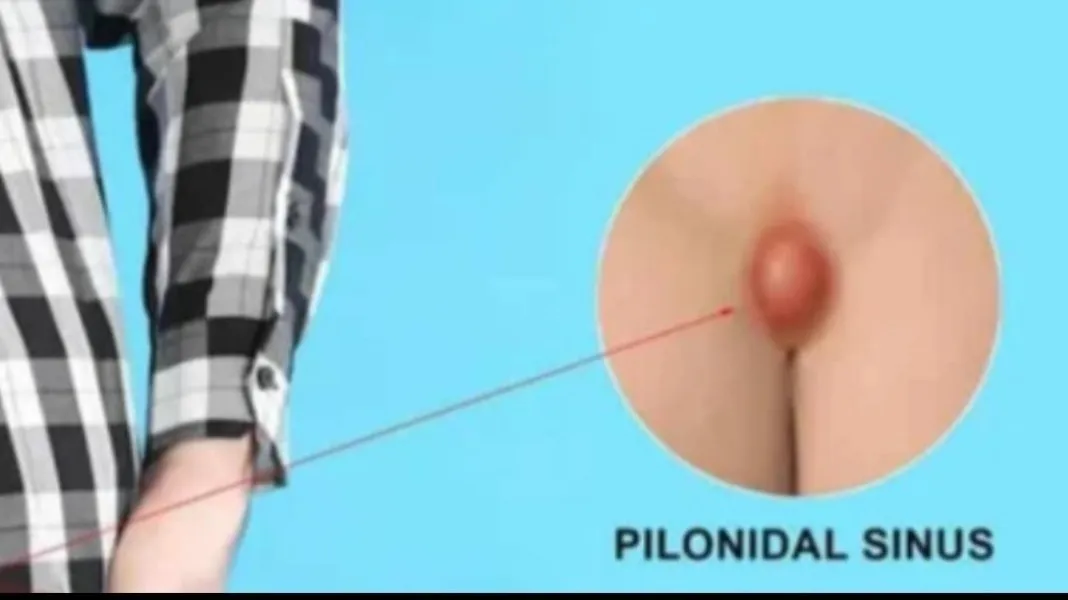
A pilonidal sinus is a small tunnel or cavity that usually develops near the tailbone. It often contains hair, skin debris, and infected tissue, leading to repeated pain and swelling. While some people experience only occasional discomfort, others develop recurrent infections that interfere with daily life. Dr Manish Dhuris Advanced Laser Surgery offers comprehensive evaluation to determine whether laser surgery is an appropriate treatment option.
Understanding when surgery becomes necessary can help prevent repeated infections and long-term complications.
What Causes a Pilonidal Sinus?
Although the exact cause varies, common contributing factors include:
- Ingrown hair
- Prolonged sitting
- Excess body hair
- Friction around the tailbone
- Poor local hygiene
- Obesity
Young adults and individuals with sedentary jobs are more commonly affected.
Symptoms That Suggest Medical Evaluation
Early diagnosis helps avoid repeated infections.
Watch for:
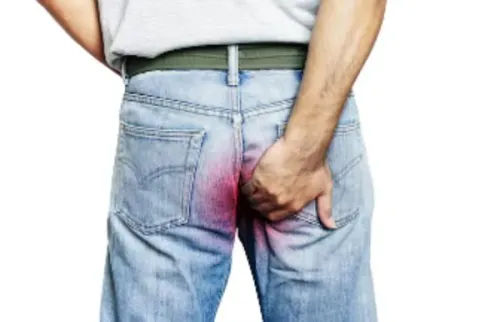
- Pain near the tailbone
- Swelling
- Redness
- Pus discharge
- Foul smell
- Fever during infection
These symptoms should not be ignored, especially if they return repeatedly.
Can It Heal Without Surgery?
An infected pilonidal sinus rarely disappears permanently with medicines alone.
Initial treatment may include:
- Antibiotics if infection is present
- Drainage of an abscess
- Hair removal around the area
- Improved hygiene
However, these measures may not eliminate the sinus tract itself.
How Laser Surgery Differs
Laser surgery focuses on treating the sinus while minimising damage to surrounding tissues.
Potential advantages include:
- Smaller wounds
- Less bleeding
- Faster recovery
- Reduced postoperative discomfort
- Earlier return to normal activities
The suitability of laser treatment depends on the size and complexity of the sinus.
Recovery Tips
Patients can support healing by:
- Keeping the area clean and dry
- Following wound care instructions
- Avoiding prolonged sitting initially
- Wearing comfortable clothing
- Attending follow-up appointments
Proper postoperative care contributes significantly to successful healing.
Preventing Recurrence
After treatment, preventive habits are important.
These include:
- Maintaining hygiene
- Controlling body weight
- Removing excess hair if advised
- Avoiding prolonged pressure on the area
These simple measures can reduce the risk of future problems.
Understanding Your Options
People in Malad experiencing recurrent pain or discharge near the tailbone should seek timely medical assessment instead of repeatedly treating infections at home. Identifying the condition early allows appropriate planning, and laser surgery may offer an effective solution for selected patients looking for quicker recovery and lasting relief.
Keywords