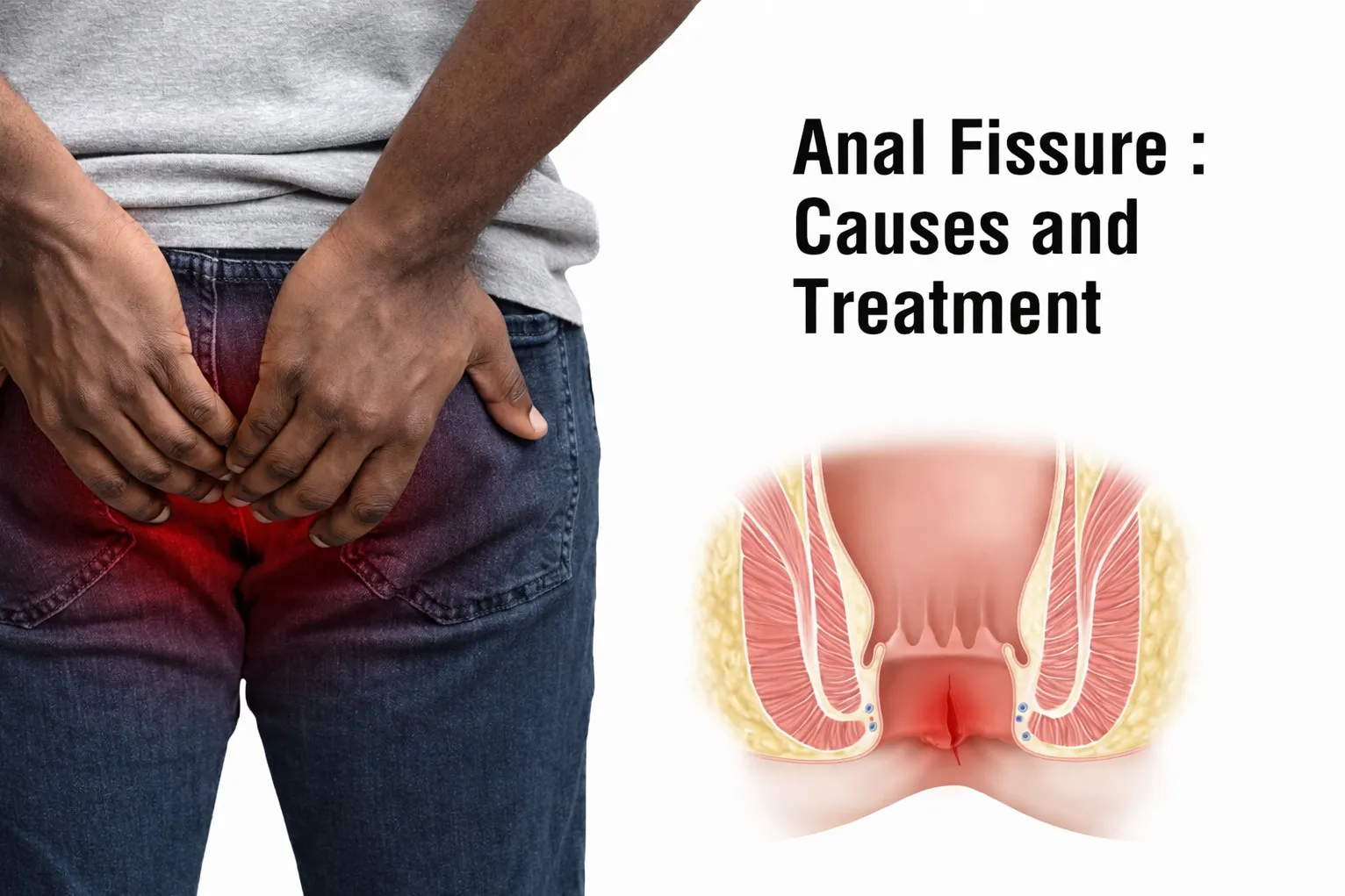
Home remedies are often the first choice when anal pain develops, but they are not always enough. If symptoms continue despite dietary changes, ointments, or warm baths, it may be time to consult an anal fissure specialist. Dr Manish Dhuris Advanced Laser Surgery provides detailed evaluation to identify whether the problem is an acute fissure, chronic fissure, or another anorectal condition requiring different treatment.
Seeking specialist care early can shorten recovery and reduce the risk of complications.
Why Home Treatment Sometimes Fails
Mild fissures often heal naturally, but certain factors interfere with healing.
These include:
- Ongoing constipation
- Repeated hard stools
- Muscle spasm around the anus
- Delayed diagnosis
- Incorrect self-treatment
Without addressing these issues, the tear may continue reopening.
What Makes a Specialist Different?
An anal fissure specialist focuses specifically on disorders affecting the anal canal and rectum.
During the consultation, the doctor will:
- Review your symptoms
- Perform a gentle examination
- Differentiate fissures from piles or fistulas
- Assess whether the fissure is acute or chronic
- Recommend an individualised treatment plan
Accurate diagnosis is essential because symptoms often overlap.
Treatment Options Beyond Home Remedies
If conservative care has not helped, additional options may include:
- Prescription medications
- Advanced topical therapy
- Procedures to reduce muscle spasm
- Minimally invasive surgery for chronic fissures
The goal is to promote healing while preserving normal bowel function.
Warning Signs That Require Medical Attention
Do not continue relying only on home remedies if you experience:
- Severe pain lasting hours after bowel movements
- Bleeding that keeps recurring
- Persistent constipation
- Visible tear that does not heal
- Symptoms lasting longer than six weeks
These signs often indicate a chronic fissure.
Can Fissures Return?
Yes, recurrence is possible if bowel habits remain unhealthy.
To reduce future risk:
- Maintain a fibre-rich diet.
- Stay hydrated.
- Exercise regularly.
- Avoid excessive straining.
- Respond promptly to constipation.
Simple preventive measures often play a significant role in long-term success.
Taking the Next Step
Patients in Jogeshwari who experience persistent anal pain should not assume the problem will resolve on its own. Consulting an anal fissure specialist provides clarity about the diagnosis and allows treatment to begin before the condition becomes chronic. Modern treatment approaches aim to relieve pain, support healing, and help patients return to normal daily activities as quickly as possible.
Keywords