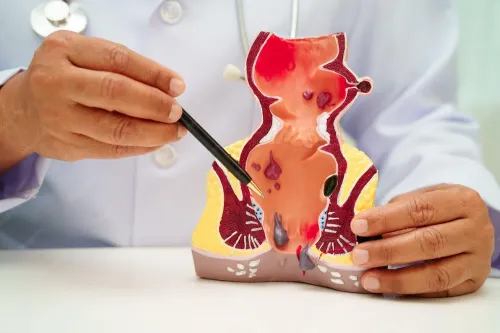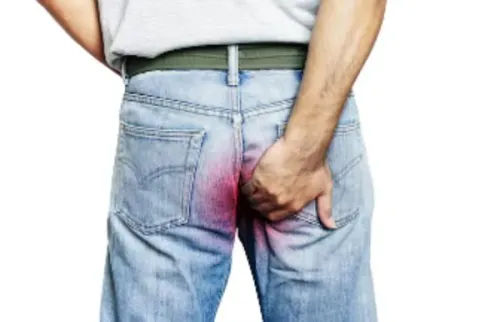

Most people diagnosed with piles hope to avoid surgery, and in many cases they can. However, when symptoms become severe or continue despite medication and lifestyle changes, surgical treatment may provide the most effective long-term solution. Dr Manish Dhuris Advanced Laser Surgery recommends surgery only after carefully evaluating the stage of the condition and the patient's overall health.
Knowing when surgery becomes necessary helps patients make informed decisions instead of delaying treatment until complications arise.
When Is Surgery Recommended?
Doctors may advise surgical treatment when:
- Piles bleed frequently
- Internal piles repeatedly prolapse
- Severe pain affects daily activities
- Medical treatment has failed
- Large external hemorrhoids cause discomfort
- Recurrent episodes interfere with quality of life
Every patient requires an individual assessment before surgery is planned.
Types of Surgical Treatment
The most suitable procedure depends on the grade and type of piles.
Common approaches include:
- Laser piles surgery
- Conventional hemorrhoidectomy
- Stapled procedures in selected cases
Each technique has specific advantages depending on the patient's condition.
Preparing for Surgery
Patients are usually advised to:
- Undergo a medical examination
- Discuss current medications
- Follow dietary instructions
- Arrange transportation after the procedure
- Understand postoperative care requirements
Proper preparation contributes to smoother recovery.
What Happens After Surgery?
Recovery recommendations generally include:
- Drinking adequate fluids
- Eating a high-fibre diet
- Taking prescribed medicines
- Avoiding heavy lifting
- Walking regularly
- Attending scheduled follow-up appointments
Following medical advice carefully promotes better healing.
Frequently Asked Questions
Is surgery always the first treatment?
No. Most mild piles improve with lifestyle modification and medication. Surgery is considered when conservative treatment is unsuccessful or the condition is advanced.
Can piles return after surgery?
Healthy bowel habits significantly reduce the risk of recurrence, although no treatment can completely eliminate future risk if contributing factors persist.
How long does recovery take?
Recovery varies depending on the surgical technique used, the severity of the piles, and individual healing.
Choosing Treatment with Confidence
Patients in Kandivali should not delay evaluation simply because surgery sounds intimidating. Modern surgical techniques have made treatment safer, more precise, and more comfortable than in the past. An experienced surgeon can explain the available options, discuss expected recovery, and recommend the approach best suited to the severity of the condition, allowing patients to regain comfort and improve their quality of life.
Keywords