The right operation depends on where the fistula sits, why it formed, whether infection or Crohn’s disease is active, and how much sphincter or surrounding tissue is damaged. By the end, you will know which investigations clarify those factors, how local repairs differ from abdominal surgery, and what to ask when comparing rectovaginal fistula care in Mumbai.
Key takeaways
- Identify the fistula’s cause, level, openings and previous repair history first.
- MRI pelvis and examination under anaesthesia can define the tract and abscesses.
- Treat active infection before definitive repair; Crohn’s disease needs coordinated medical care.
- Ask a Mumbai specialist about success factors, diversion, recovery and backup plans.
First establish what caused the fistula and how complex it is
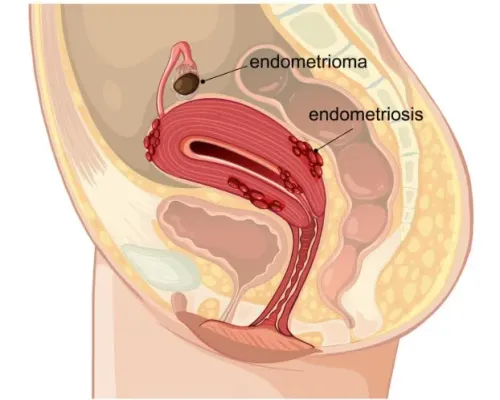
Gas or stool passing through the vagina is not a routine anal fistula. It indicates an abnormal connection between the rectum or anus and vagina, so the repair must protect bowel control, vaginal function and surrounding pelvic tissue.
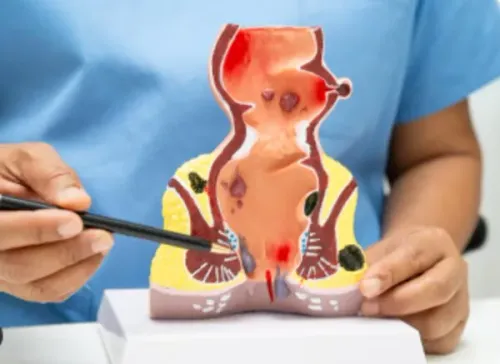
A fistula in ano usually runs from the anal canal to skin near the anus. Its treatment options cannot automatically be applied to a rectovaginal fistula because the latter may involve the vaginal wall, rectal sphincter, childbirth scars or damaged pelvic tissue.
Seek specialist assessment for:
- Gas or stool through the vagina, foul discharge, pelvic pain, skin irritation, recurrent vaginal or urinary infections, or reduced bowel control.
- A history of childbirth injury, Crohn’s disease or another inflammatory bowel condition, pelvic or rectal surgery, radiation, abscess, cancer or pelvic trauma.
- A fistula that is recurrent, high, wide, scarred, infected or associated with sphincter damage.
| Condition | Connection | Why the distinction matters |
|---|---|---|
| Rectovaginal fistula | Rectum or anus to vagina | May need colorectal and gynaecological reconstruction; height, scarring and sphincter injury determine the route. |
| Fistula in ano | Anal canal to skin beside the anus | Anal-fistula procedures do not prove suitability for vaginal-wall repair. |
A specialist may use pelvic and rectal examination, anoscopy or proctoscopy, pelvic MRI or endoanal ultrasound. Colonoscopy is important when Crohn’s disease or cancer is suspected. Ask any Mumbai clinic offering rectovaginal fistula treatment in Mumbai to explain the diagnosis, evidence and rescue plan before presenting laser closure as an option.
The examination and scans that determine the surgical plan
A specialist starts by locating both openings and checking whether stool or pus is passing through the tract. Inspection, digital rectal examination and a vaginal speculum examination can reveal its height, size, scarring, discharge and tissue loss. Anoscopy or proctoscopy examines the rectal opening.
- Examination under anaesthesia is useful when pain, scarring or a tiny opening prevents a reliable office examination.
- Pelvic MRI maps a high, branching or recurrent tract and detects an abscess or tissue loss.
- Endoanal ultrasound assesses damage to the internal and external anal sphincters, which affects continence and the repair route.
- Colonoscopy is added when Crohn’s disease, another inflammatory bowel condition or cancer is suspected.
A recto vaginal fistula specialist chooses further testing based on what the examination leaves unanswered. A simple, clearly visible first fistula may not need every scan; an unclear, recurrent or complex fistula usually needs imaging before surgery.
Ask where the tract begins and ends, whether the sphincter is damaged, and whether active infection requires drainage before repair.
The findings also expose problems that change timing: an abscess, active Crohn’s disease, radiation injury, malignancy or severe scarring. Ask whether you need gastroenterology, gynaecology, radiology or pelvic-floor assessment alongside colorectal surgery.
Which operation fits a low, high, recurrent or complex fistula?
A low, uncomplicated fistula is usually considered for a local repair; a high, scarred or recurrent fistula often needs tissue reinforcement or abdominal colorectal surgery. The choice depends on height, size, cause, sphincter involvement, infection and previous repairs.
| Option | Usual route | When it is considered |
|---|---|---|
| Transanal advancement flap | Through the anus, covering the internal opening with rectal tissue | Low fistulas with adequate, healthy tissue |
| Transvaginal repair | Through the vagina, closing the vaginal and rectal openings | Low or mid-level fistulas where vaginal access is safer or more direct |
| Martius flap | Labial fat and muscle are placed between the repaired rectum and vagina | Low, scarred, recurrent, radiation-associated or otherwise complex fistulas |
| Gracilis interposition flap | Thigh muscle is tunnelled between the organs | Large, irradiated, multiply operated or repeatedly failed fistulas |
| Abdominal resection or coloanal reconstruction | Diseased rectum is removed, with reconstruction higher in the pelvis | High fistulas, major tissue loss or associated rectal disease |
A first-time, small fistula does not automatically require a flap. Active infection must be controlled before definitive closure, while Crohn’s disease or severe tissue damage can require staged treatment, diversion or a different operation.
The phrase rectovaginal fistula operation options includes major colorectal procedures, not just local closure. Laser techniques described for some anal fistulas do not prove equivalent results here; if you are comparing rectovaginal fistula for surgery options in Mumbai, ask for the anatomical diagnosis, supporting evidence, alternatives and a rescue plan if closure fails.
When infection, Crohn’s disease or tissue damage changes the plan
Closing a rectovaginal fistula while an abscess is still draining is a setup for failure. Drain the abscess first, then allow inflammation to settle before attempting definitive closure. A temporary draining seton may keep the tract open and prevent recurrent sepsis when infection persists or the fistula connects with diseased bowel.
1. Treat active Crohn’s disease before repair. Gastroenterology input and medication adjustment matter because uncontrolled inflammation can break down stitches and create another fistula.
2. Use a seton when pus, a branching tract or ongoing contamination makes immediate closure unsafe. It controls drainage; it does not cure the fistula.
3. Add tissue interposition when the surrounding tissue is scarred, irradiated, poorly vascularised or previously repaired. A healthy muscle or tissue flap placed between the rectum and vagina creates a stronger barrier, particularly when local tissue cannot hold sutures.
4. Consider a temporary loop ileostomy or colostomy for a large, high, infected, recurrent or poorly healing fistula, or when substantial tissue loss requires major reconstruction. Diversion protects the repair from stool but does not remove the tract or guarantee closure; reversal is considered only after healing is demonstrated.
Severe childbirth injury, radiation damage, malignancy or diseased upper rectum can require resection or reconstruction rather than local closure. Ask which problem the proposed staged plan is solving, how healing will be checked, and what happens if the first repair fails.
How to compare a Mumbai specialist and prepare for consultation
Choose a rectovaginal fistula surgeon near me by looking for reconstructive experience, not just a clinic’s volume of haemorrhoid or routine anal-fistula procedures. Ask how many recurrent, Crohn’s-related, high or radiation-associated fistulas they have repaired and whether colorectal, gynaecology, gastroenterology and pelvic-floor support are available.
Before your consultation for rectovaginal fistula treatment in mumbai, take these questions:
- Where exactly is the tract, what caused it, and is an abscess, sphincter injury or Crohn’s disease present?
- Do I need pelvic MRI, endoscopy or examination under anaesthesia before choosing the operation?
- Why is the proposed transanal, transvaginal, abdominal or combined route preferable to the alternatives?
- Is a temporary colostomy or ileostomy needed? What finding will determine when reversal is assessed?
- How will you measure existing continence and predict effects on bowel control, urgency and sexual function?
- If the repair fails, what is the next operation, and how long will you wait before attempting it?
Compare answers, not slogans:
| Check | A useful answer | Warning sign |
|---|---|---|
| Laser claim | Evidence, limitations and reconstructive alternatives | Laser presented as universal closure |
| Diversion | Clear reason, duration and reversal criteria | “Temporary” without a decision point |
| Continence | Sphincter assessment and pelvic-floor plan | Focus only on closing the opening |
| Failure plan | Named salvage route and timing | No rescue strategy |
Dr Manish Dhuris Advanced Laser Surgery should address these questions directly; laser experience in anal fistulas does not prove equivalent results for rectovaginal reconstruction.
Related service
Recto-vaginal Fistula Surgery Treatment For Recto-vaginal Fistula ₹1200 Rectovaginal Fistula Treatment A rectovaginal fistula is an abnormal connection between the rectum and vagina, causing symptoms like fecal... View service → |
Frequently asked questions
What causes a rectovaginal fistula?
Common causes include childbirth injury, colorectal or gynaecological surgery, Crohn’s disease, radiation, infection and tissue damage. The cause affects timing, tissue choice and the risk of recurrence.
Which tests help plan rectovaginal fistula surgery?
The specialist may use a vaginal and rectal examination, proctoscopy, colonoscopy, examination under anaesthesia and MRI of the pelvis. These tests locate the internal and external openings, measure the tract and identify abscesses or sphincter injury.
Which operation is used for a low rectovaginal fistula?
A low fistula near the vaginal opening or anal canal may be repaired through a local, vaginal, perineal or transanal approach. The surgeon chooses the route based on scarring, sphincter involvement, tissue quality and previous repairs.
How does treatment differ for a high or recurrent fistula?
A high fistula may require an abdominal or laparoscopic approach, tissue interposition or repair through the abdomen. Recurrent fistulas need review of earlier operations, active infection, Crohn’s disease and tissue quality before selecting another technique.
Does infection change the timing of rectovaginal fistula surgery?
Yes. Drain an abscess and control sepsis before definitive closure. A seton or temporary drainage can keep an infected tract open while inflammation settles and the surgical plan is finalised.
Keywords